We build computer vision and machine-learning systems that run where the cameras are: on GPU hardware at the edge, not in a distant cloud. That is what makes them fast enough for a stadium crowd and reliable enough for a site with no network.
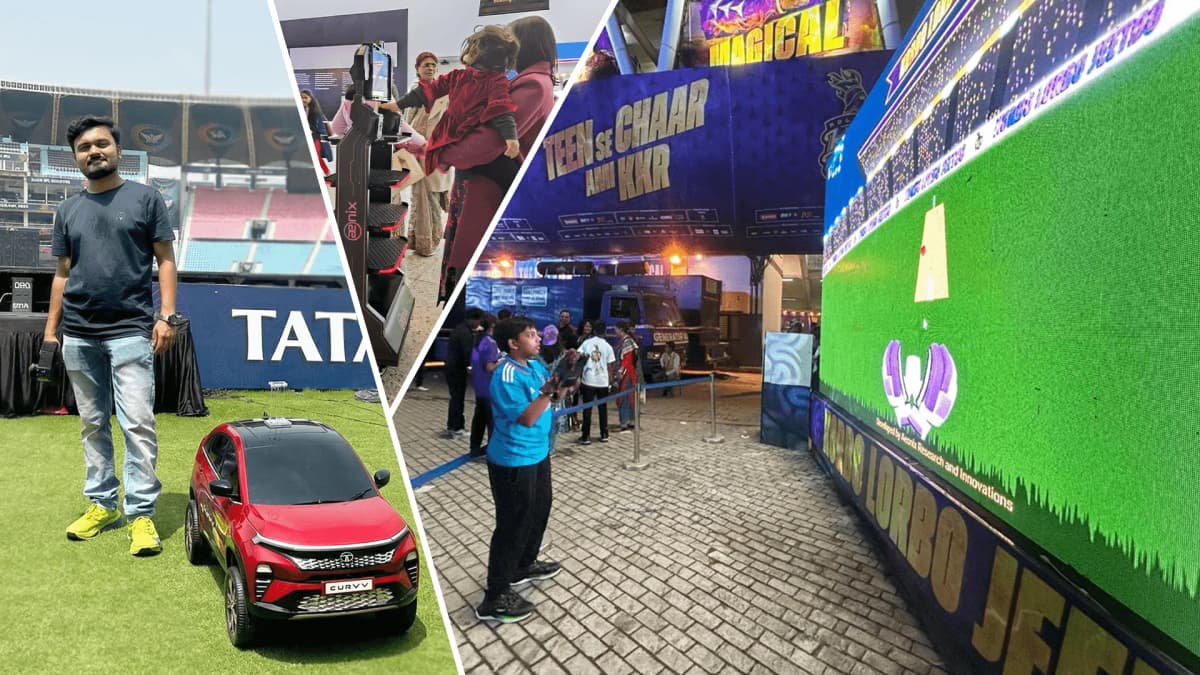
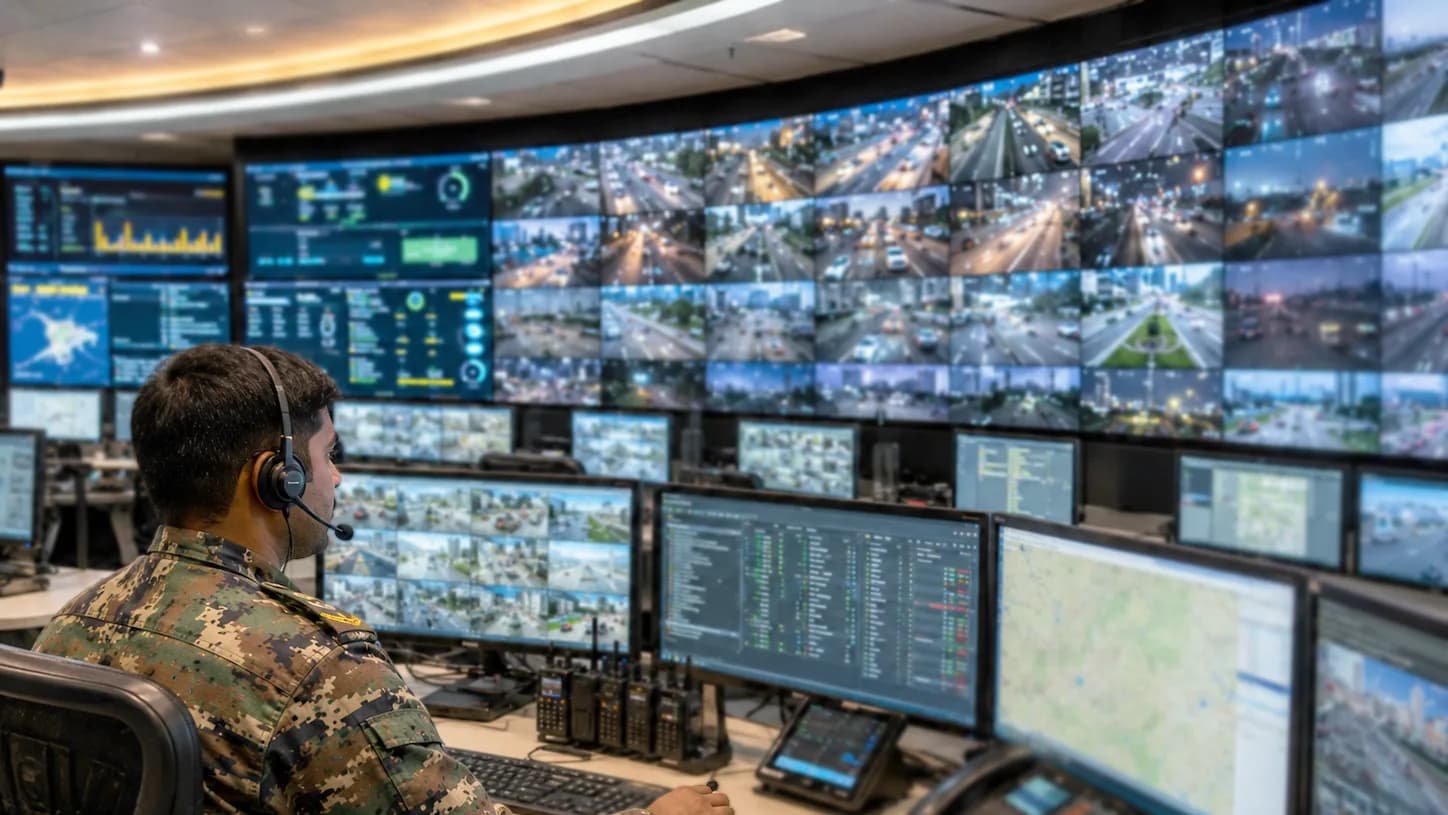
Our vision systems have run inside Tata IPL stadiums, across Gangasagar Mela (one of India's largest public gatherings) and in Indian Army deployments. We build our own models, train them on footage from the actual site, then optimise them to run on Jetson-class hardware.
What we deliver
- Computer vision pipelines
- Real-time image & video processing
- Custom ML model development
- Edge AI (Jetson, OpenVINO)
- GPU-accelerated inference
- AI-driven automation
Real-time vision within a latency budget
For Tata IPL we built a touchless gesture-gaming system: people walk up, wave, and the game responds, with no buttons and no calibration. People notice lag above about 100 ms, and a cloud round-trip in India costs 80–200 ms on its own, so everything runs on a GPU at each station. Total inference time is under 40 ms. Cameras capture at 60+ FPS, frames are selected by motion so the GPU only processes what matters, and pre-processing runs in compiled code instead of Python.
The system has since run across multiple seasons, in Kolkata Knight Riders engagement zones and at TCS corporate events.
Edge AI that works without the internet
At Gangasagar Mela, the brief was to detect sanitation issues in real time and alert cleaning crews on a tidal sandbar with patchy 4G. Nothing could depend on a round-trip to a server. We trained custom models on data that looked like the actual ground, then quantised them to run on edge GPUs, cutting model size by about 70% without losing accuracy. The system processed everything locally and synced the dashboard whenever the network came back, so a three-hour blackout did not stop it.
What we build
- Object detection, tracking and classification (YOLO and custom models)
- Gesture and skeletal tracking
- Custom model training on site-specific data
- Model quantisation and optimisation for NVIDIA Jetson and Intel OpenVINO
- GPU-accelerated inference pipelines (CUDA)
- Dashboards, alert routing and analytics built on top of the models
AI inside our hardware
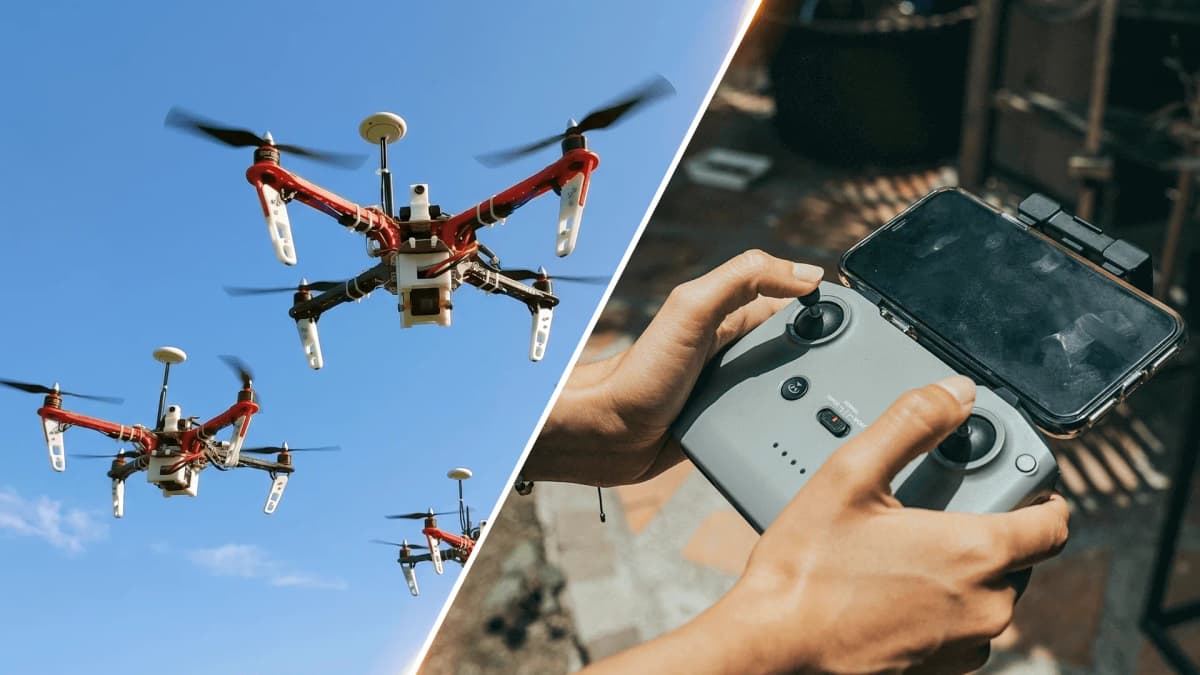
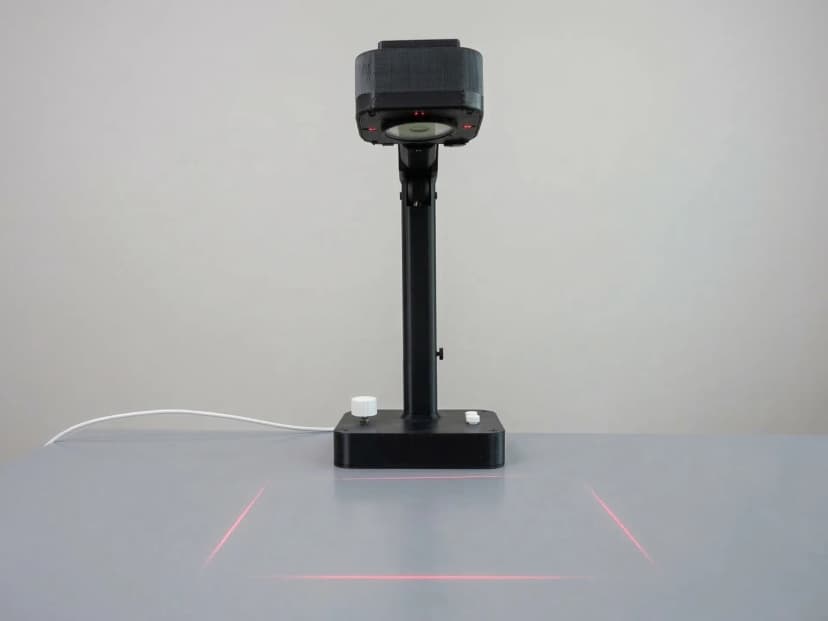
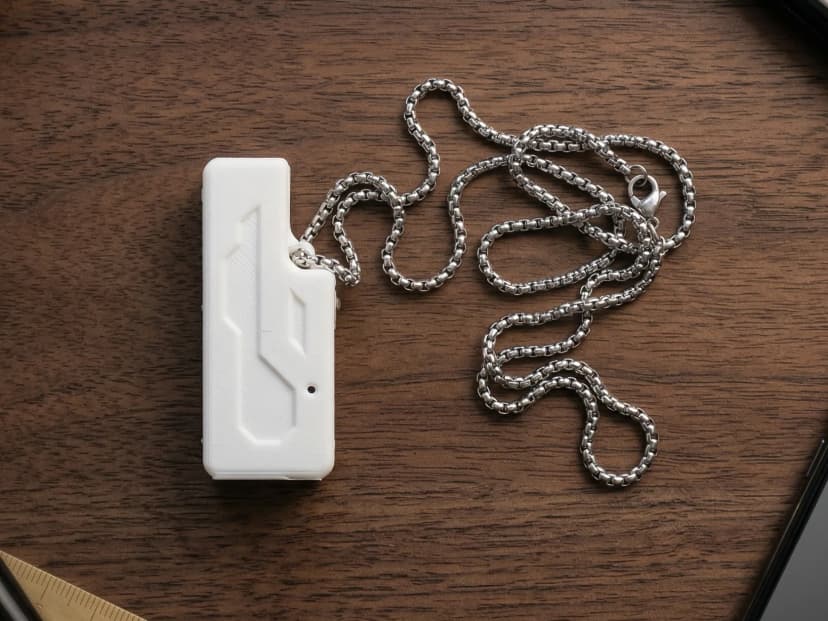
The same capability is built into our hardware: an AI feedback kiosk for the Indian Army, an AI overhead document scanner for government digitisation with WEBEL, autonomous drones with onboard detection, and an AI wearable pendant that transcribes and summarises conversations.